In my previous post, I shared that my Class 1 medical was not issued on the day due to high blood pressure readings (attributed to ‘white-coat’ syndrome). Since then, I have completed the necessary steps, and I am pleased to say there is a positive outcome.
Finding a Cost-Effective Way to Do the 24-Hour Blood Pressure Monitor
After my initial appointment, I was advised to undergo a 24-hour ambulatory blood pressure monitor (ABPM). The medical centre quoted £250 for this test, which I later found out was a fairly standard private rate.
However, with some research and a few phone calls, I discovered that certain NHS services and local pharmacies, including Boots, offer this free of charge if there is a genuine medical need. In my case, Boots provided the service through their pharmacy at no cost. If you are in a similar position, it is well worth investigating local options before deciding to pay privately.
What the 24-Hour Monitoring Was Like
I collected the monitor from my local Boots pharmacy at 8.30am. The device involved wearing a cuff on my upper arm for a full 24 hours, with automatic readings taken every 30 minutes, including throughout the night.
To help ensure accurate and relaxed readings, I worked from home that day and kept my movements to a minimum around the scheduled reading times. Despite this, the process was not exactly smooth. The machine was a little temperamental and often had to retry readings or required me to adjust the position of the cuff.
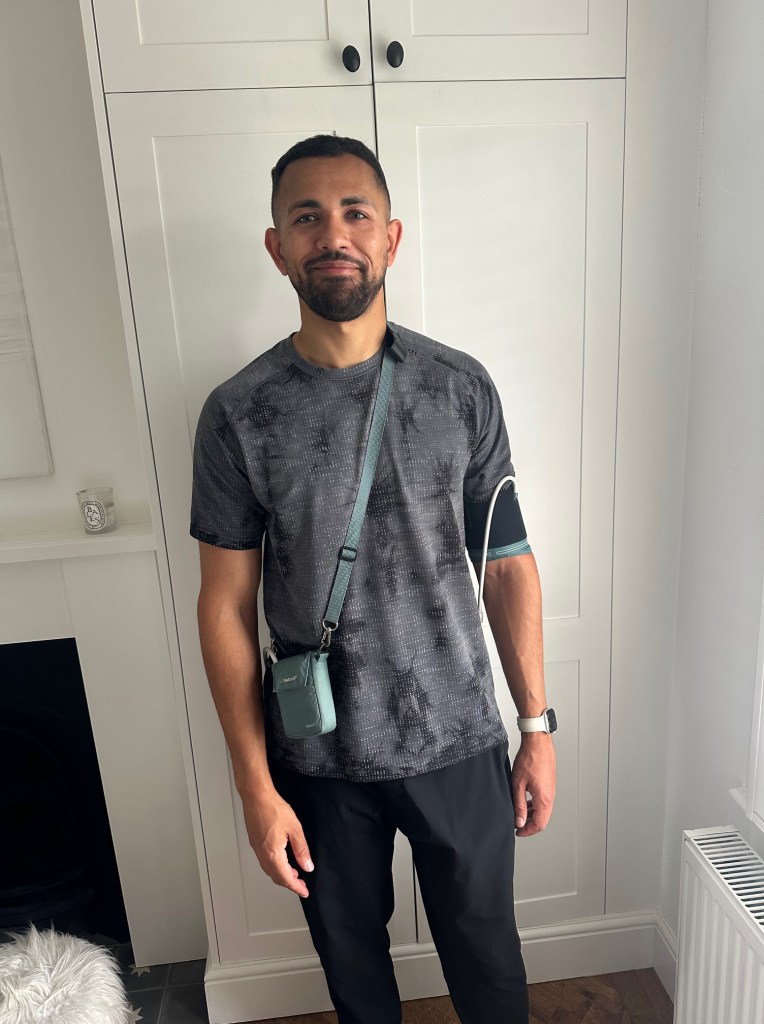
The following morning, I returned the cuff and had the data downloaded while I waited. I was given a printed copy to send to my Aeromedical Examiner (AME), and another was sent to my GP.
The Waiting Game
After submitting the results, there was a short delay. As it happened, my AME was on holiday for two weeks, which meant progress stalled. I followed up with a few emails and phone calls during this time to keep things moving.
Eventually, I received the update I had been hoping for. My medical portal (Cellma) was updated late one evening with a “Pass”.
Because of the previous optometry review, the certificate itself needed to be issued by the CAA. This was simply an administrative step once the optometry had been approved, and there was no cause for concern.
Medical Certificate Received
A few days later, my Class 1 medical certificate arrived by post. I now officially hold (again):
- Class 1 Medical – valid for one year
- Class 2 Medical – valid for five years
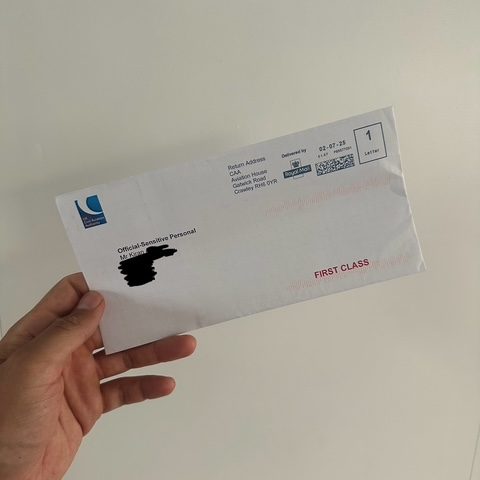
This means I am now medically cleared to fly and can complete my first PPL solo flight when ready.
Final Thoughts
This part of the journey was a helpful reminder that becoming a pilot involves more than just time in the air. Meeting the required medical standards is equally important. If you find yourself in a similar situation, do not hesitate to look into local NHS services or pharmacy offerings. There may be more accessible and cost-effective options than you realise.
Next step: first solo (hopefully).
 Modular Pilot Kiran